Intense Pulsed Light (IPL)
Enhance and rejuvenate your eyes and the surrounding skin.
Dry eye syndrome affects millions of people and can make everyday tasks – from staring at screens to enjoying time outdoors – uncomfortable. While artificial tears and warm compresses may offer temporary relief, many patients are now turning to our IPL procedure and LLLT for dry eyes.
What Happens During an IPL Session?
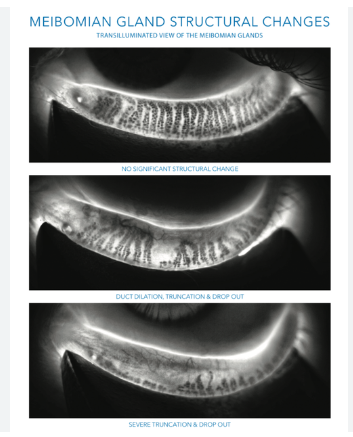
IPL therapy for dry eyes uses pulses of light to target the inflammation and clogged oil glands (meibomian glands) that contribute to dry eye symptoms. It’s a non-invasive treatment, and sessions are typically quick – around 15-20 minutes.
Here’s what to expect:
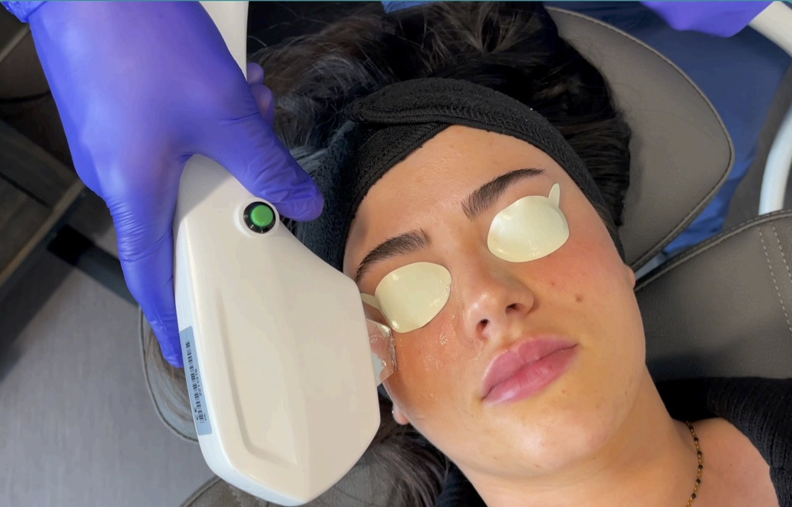
- Before your treatment: Your optometrist or technician will clean the treatment area and provide protective goggles to shield your eyes.
- During the session: A cool gel is applied to the skin, and pulses of light are delivered to the upper cheeks and around the eyes. You might feel a quick snap or warm sensation with each pulse – some patients compare it to the feeling of a rubber band gently tapping the skin.
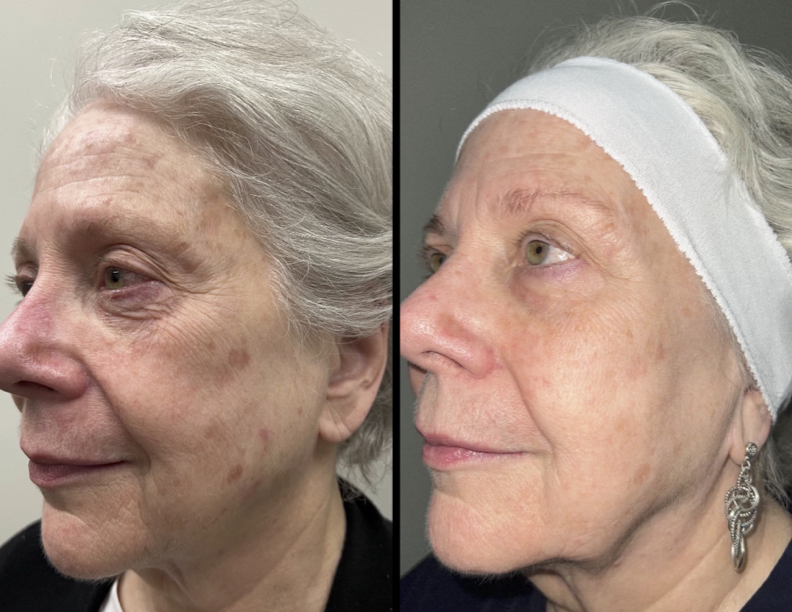
- After the session: The area may feel slightly warm or appear a little red for a short while, but you can return to normal activities the same day with no downtime required.
How Long is a Typical Treatment Plan?
- IPL therapy is typically 4 sessions
- Spaced 2-4 weeks apart
- You can resume normal activities after each session
Is IPL Painful?
This is one of the most common questions we get at our eye clinic – and the short answer is no. The patient experience with IPL is generally positive, with most people reporting only mild discomfort. There’s no need for sedation or numbing cream, although those with sensitive skin may feel a bit more warmth during the treatment. Discomfort is minimal and brief.
If you’ve ever had laser hair removal or light-based skin therapy, IPL for dry eye is even gentler. And because the treatment is focused on improving the health of your meibomian glands, the sensation is mostly felt on the skin surrounding the eyes – not directly in the eye itself.
No needles, just comfortable controlled light therapy.
Is There Downtime After IPL?
For most patients, there’s little to no downtime. You may experience mild redness or a flushed look for an hour or two afterward. A few people notice slight swelling or skin sensitivity, similar to a mild sunburn, but this usually resolves quickly. You’ll be advised to:
- Avoid direct sunlight and wear sunscreen
- Skip makeup and harsh skincare for 24 hours
- Use artificial tears as directed
Many patients resume work, errands, or even light exercise the same day.
Are There Side Effects or Risks?
While IPL for dry eye is generally safe, it’s still a medical procedure – and like any treatment, there are some risks to be aware of. Fortunately, serious complications are rare when IPL is performed by an experienced provider using FDA-approved equipment.
It’s important to follow all pre- and post-treatment instructions to minimize any risk. Your provider will also screen for any conditions or medications that might make IPL less suitable for you.
Who Is a Good Candidate for IPL?
IPL is typically recommended for patients with evaporative dry eye, often caused by meibomian gland dysfunction (MGD) – a condition where the oil glands along the eyelid margin become clogged or inflamed. This leads to an unstable tear film and symptoms like burning, watering, or the feeling of “something in your eye.”
You may be a good candidate for IPL if:
- You’ve been diagnosed with MGD or evaporative dry eye
- Over-the-counter eye drops haven’t been effective
- You’re looking for a non-surgical, in-office treatment
- You have light to medium skin tones (IPL works best on certain skin types)
IPL is not recommended for patients with darker skin tones, certain skin conditions (like active rosacea or eczema), or who are pregnant or taking photosensitizing medications. Your optometrist will help determine if IPL is right for you during a consultation.
Why Patients Choose IPL
- Relief from burning, watering, and irritation
- Healthier meibomian glands
- Fewer flare-ups
- Clearer vision
- Better contact lens comfort
- Less dependence on eye drops
- Long-lasting improvement